
Scheduled waste isn’t a “big factory only” problem. In Malaysia, scheduled wastes are defined as those listed in the First Schedule (SW codes) of the Environmental Quality (Scheduled Wastes) Regulations 2005. That means a busy automotive workshop, a food processing plant, or even a lab with small daily chemical use can be exposed, especially when waste is handled by different staff, stored “temporarily,” or mixed without realizing the risk.
This blog is an awareness guide to help teams understand who is most at risk, what waste streams commonly trigger issues, and how proper scheduled waste management protects people, operations, and the environment.
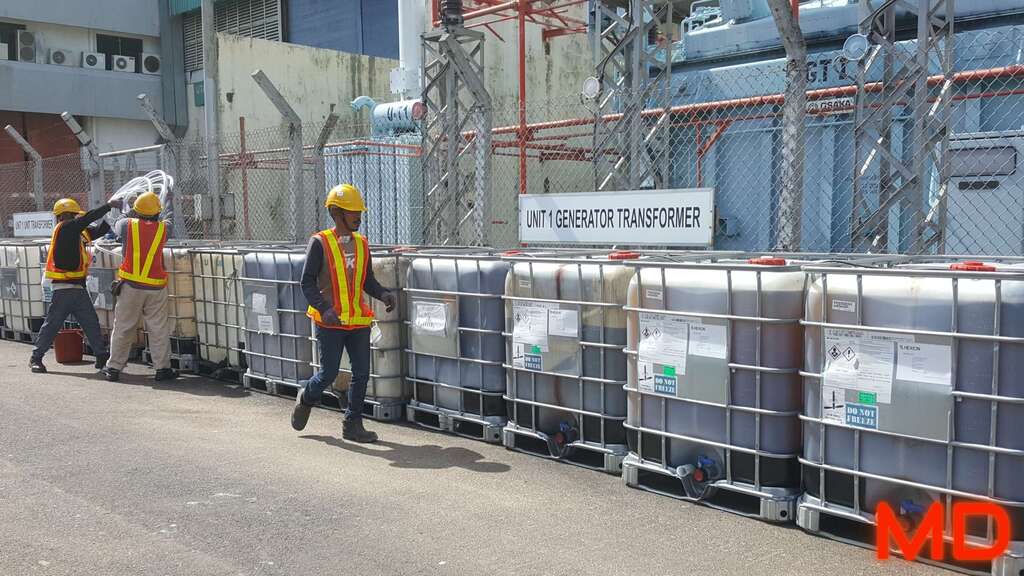
What “Scheduled Waste” Really Means
Malaysia uses SW codes to classify scheduled waste by category and source. Correct classification matters because storage, labelling, movement, and disposal requirements follow those categories. If you’re unsure whether something is scheduled waste, DOE states you can consult your State DOE office or the Hazardous Materials Division.
Why These Industries Are Most Exposed
The industries listed below typically generate scheduled waste from daily operations, maintenance, cleaning, or production. Risk increases when you have:
- High-frequency waste generation
- Multiple people handling waste
- Mixed work zones
- “Small volume” waste streams that get overlooked until they pile up
1) Workshops
| Item | Details |
|---|---|
| Why is it high-risk | Oil, grease, and contaminated materials are routine. |
| Common Scheduled Waste Examples (SW Codes) | SW 305: Spent lubricating oil SW 312: Oily residue from automotive workshop/oil or grease interceptor SW 409: Disposed containers/bags/equipment contaminated with chemicals, pesticides, mineral oil, or scheduled wastes SW 410: Rags/plastics/papers/filters contaminated with scheduled wastes |
| Where workshops often get caught | Treating oily rags/filters as “normal trash.” Unlabelled drums or reused containers without proper marking Overflowing interceptor residue because collection is not scheduled |
| Awareness tip | If it comes into contact with oil/solvent/chemical residue, treat it seriously, segregate it, label it, and plan pickup frequency before it becomes a storage problem. |
2) Factories
| Item | Details |
|---|---|
| Why is it high-risk | Waste comes from multiple departments—production, maintenance, QA, and cleaning. |
| Common Scheduled Waste Examples (SW Codes) | SW 322: Waste of non-halogenated organic solvents SW 323: Waste of halogenated organic solvents SW 409 / SW 410: Contaminated containers and rags/filters SW 408: Contaminated soil/debris from chemical or mineral oil spill clean-up |
| Where factories often get caught | Different departments “doing their own thing” → inconsistent segregation and labelling Temporary storage areas are becoming permanent dumping corners Spill clean-up debris (absorbents, soil, PPE) is not treated as scheduled waste |
| Awareness tip | Centralise responsibility: one storage area, one SOP, one person-in-charge (PIC), and a clear collection cadence with your scheduled waste contractor. |
3) Labs
| Item | Details |
|---|---|
| Why it’s high-risk | High-risk due to hazard and variability—today’s waste stream can be different from next week’s. |
| Common Scheduled Waste Examples (SW Codes) | SW 403: Discarded drugs containing psychotropic substances or toxic/harmful/carcinogenic substances SW 404: Pathogenic wastes / clinical wastes / quarantined materials SW 409 / SW 410: Contaminated containers and filters/rags Particular solvent wastes may also apply, depending on lab usage |
| Where labs often get caught | Small containers without proper labels Mixing incompatible chemical wastes to save space Stockpiling because no one wants to “deal with it yet.” |
| Awareness tip | Small volume does not mean low responsibility. Lab waste needs the most disciplined labelling and segregation habits. |
4) F&B
| Item | Details |
|---|---|
| Why it’s high-risk | Often overlooked as “just food waste,” but risk comes from maintenance chemicals, cleaning agents, and equipment servicing. |
| Common Scheduled Waste Examples (SW Codes) | SW 409 / SW 410: Contaminated chemical containers, rags, filters. SW 327: Waste of thermal fluids (heat transfer) such as ethylene glycol |
| Where F&B often gets caught | Chemical containers were disposed of without proper marking. Residue and contaminated materials are mixed with general waste. Maintenance waste streams are not included in the site’s scheduled waste planning |
| Awareness tip | F&B sites should map waste streams beyond the kitchen, including maintenance rooms, chemical storage, and servicing activities. |
The Non-Negotiables Of Scheduled Waste Management In Malaysia
These aren’t “nice-to-haves”, they’re the basics that keep a site safer and audit-ready:
- Storage rules people forget
- Store scheduled wastes in compatible, durable containers that prevent spills/leaks; keep containers closed except when adding/removing waste.
- You may store scheduled waste for up to 180 days, provided the accumulated quantity does not exceed 20 metric tonnes.
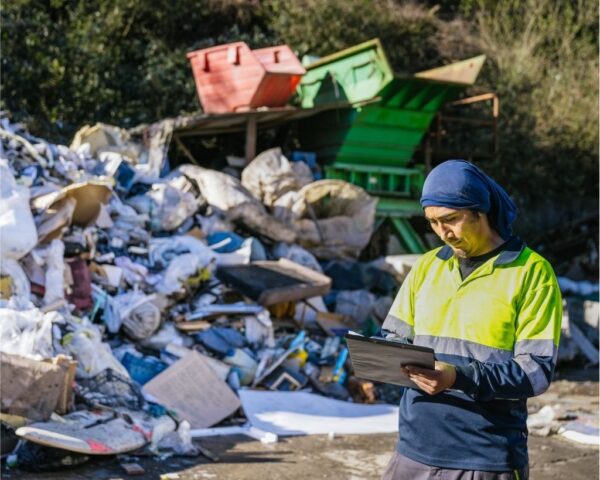
Labelling
Containers must be labelled with the date first generated, and the waste generator’s name, address, and telephone number, plus the SW code and the correct label type.
Inventory & Record-keeping
Waste generators must keep an accurate inventory (Fifth Schedule) for up to three years from the date the scheduled waste was generated.
Disposal at the right place
Scheduled wastes must be disposed of at prescribed premises only.
Where A Scheduled Waste Contractor Fits In
A scheduled waste contractor is a person licensed by DOE’s Director General under the Environmental Quality Act framework referenced in the regulations. They don’t just “pick up waste”; they support lawful movement, safer handling, and traceability.
DOE also explains that the e-Consignment Note system (via eSWIS) became mandatory on 1 January 2012 for producers, transport contractors, and recipients, covering scheduled waste notifications, inventory, and consignment notes.
The regulations also spell out documentation flow (Sixth Schedule), including keeping signed copies as records for at least three years.
Resources
- Environmental Quality (Scheduled Wastes) Regulations 2005 (P.U.(A) 294/2005) – official DOE PDF (covers SW codes/First Schedule, labelling, storage limits, inventory/records, consignment flow). https://www.doe.gov.my/wp-content/uploads/2021/08/Environmental_Quality_Scheduled_Wastes_Regulations_2005_-_P.U.A_294-2005.pdf
- DOE Scheduled Waste Information (eSWIS / e-Consignment Note FAQ) – notes e-Consignment Note usage became effective 1 Jan 2012 for scheduled waste transactions. https://www.doe.gov.my/en/scheduled-waste-information/
- Environmental Quality Act 1974 (Act 127) – provides the wider legal foundation and definitions used in regulations. https://www.doe.gov.my/wp-content/uploads/2022/11/Environmental_Quality_Act_1974_-_ACT_127.pdf